 Call Us : 08045478163




 Send Inquiry
Polyurethane Foam Pads
MOQ : 100 Pieces
Polyurethane Foam Pads Specification
- Classification
- Polyurethane Foam
- Type
- Foam Pad
- CAS No
- 9009-54-5
- EINECS No
- 618-466-4
- Grade
- Industrial Grade
- Purity
- 99%
- Application
- Cleaning, Polishing, Cushioning, Packaging
- Color
- Yellow
- Form
- Pad
- Material
- Polyurethane
- Size
- 150 mm x 100 mm x 25 mm
- Density
- 20-35 kg/m3
- Tensile Strength
- 70 kPa
- Surface Texture
- Smooth
- Flame Retardancy
- Optional
- Hardness
- Soft
- Compression Set
- Less than 10%
- Water Absorption
- Low
- Shelf Life
- 2 Years
- Thermal Resistance
- Up to 100C
- Reusable
- Yes
- Elongation at Break
- 120%
Polyurethane Foam Pads Trade Information
- Minimum Order Quantity
- 100 Pieces
- Supply Ability
- 1000 Pieces Per Month
- Delivery Time
- 2-3 Days
- Sample Available
- Yes
- Sample Policy
- Contact us for information regarding our sample policy
- Main Domestic Market
- All India
About Polyurethane Foam Pads
Our rollers are also exported to Bangladesh, China, Iran, Nigeria, Venezuela, Canada, Indonesia, Malaysia and many other countries through our clients, who are OE manufacturers.In India, we supply these rollers to all leading Steel plants and Aluminium industries.
We have developed Trough Liners for ERW & Seamless Tube Plant and installed the same, which has given satisfactory performance.
We also manufacture various types of Solid Tyres for Forklifts and Pallet trucks Charger Manipulators. It has successful track record for giving high performance after installation. In some cases our Tyres have given much better life than the imported tyres.
The company also manufactures various other components for Press Tool Applications, Textile Industries, Paper Mills, and supplies to a vast range of clients in the country. We are the pioneers in manufacturing of Oil Rig Equipments for Oil Exploration Units' on shore as well as off-shore projects. We supply these items to all oil explorations equipments in both domestic and international market.
For Mining Industries, we manufacture various types of Liners, Screens, Wipers, Scrapers, Belt Scrappers, and Impact Conveyor Rollers, Gaskets and Seals for Mining Equipments. Currently we are in the process of developing exclusively special Polyurethane Tyres meant for heavy loads, for mining applications.
High Performance and Durability
Designed for long-lasting use, these foam pads withstand repeated cleaning and polishing cycles without significant wear or loss of shape. Their robust tensile strength and compression resistance ensure consistent performance, even in demanding industrial environments. The pads smooth surface aids efficient operation, while low water absorption protects against moisture-related damage.
Versatile Applications
Polyurethane foam pads are suitable for a wide range of tasks including industrial cleaning, buffing, packaging, and cushioning. Their soft texture allows for safe use on sensitive surfaces, minimizing risk of scratches or abrasions during polishing or packaging. Offered in a standard size, these pads can be adapted for various equipment and workspaces.
FAQs of Polyurethane Foam Pads:
Q: How are polyurethane foam pads typically used in industrial settings?
A: These pads are commonly employed for cleaning, polishing, packaging, and cushioning. Their soft texture and smooth surface enable safe handling of delicate goods, while their resilience supports repeat usage in maintenance and manufacturing environments.Q: What benefits do low water absorption and thermal resistance provide?
A: Low water absorption prevents the pads from retaining moisture, which protects items and surfaces from water damage or mold. High thermal resistance up to 100C enables reliable performance in areas where elevated temperatures may occur during cleaning or polishing processes.Q: When should I consider opting for the flame retardant version of these pads?
A: Flame retardancy is recommended for workplaces where exposure to heat or potential ignition sources is a safety concern. The optional flame retardant feature helps meet industry-specific safety standards, particularly in high-temperature or hazardous environments.Q: Where are these foam pads manufactured and exported from?
A: These polyurethane foam pads are manufactured and supplied in India, with established export channels to international markets. They meet recognized global quality standards for industrial-grade polyurethane foam products.Q: What is the typical shelf life and reuse potential of these pads?
A: Each pad is designed for a shelf life of up to two years. Thanks to their high purity, density, and low compression set, they can be reused multiple times without losing effectiveness or structural integrity during typical cleaning and polishing operations.Q: How does smooth surface texture benefit cleaning and polishing tasks?
A: A smooth surface enhances contact with materials, ensuring even application of cleaning agents or polishing compounds. It minimizes scratching and delivers consistent results, which is especially important for sensitive electronic components or polished metals.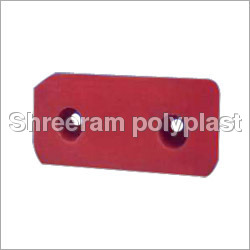
Tell us about your requirement

Price:
Quantity
Select Unit
- 50
- 100
- 200
- 250
- 500
- 1000+
Additional detail
Mobile number
Email

More Products in PU Products Category
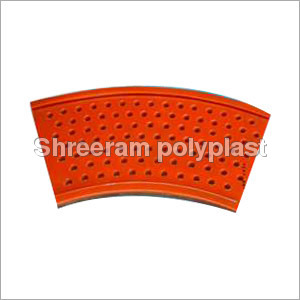
Wear Resistant Polyurethane Pad
Price Range 5000.00 - 25000.00 INR / Piece
Minimum Order Quantity : 100 Pieces
Form : Other, Solid Pad
Purity : Other, 99%
Grade : Industrial Grade
Color : Other, Red
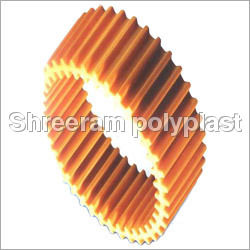
Polyurethane Gear
Price Range 5000.00 - 25000.00 INR / Piece
Minimum Order Quantity : 100 Pieces
Form : Other, Solid Gear
Purity : Other, 98%
Grade : Industrial Grade
Color : Other, Orange
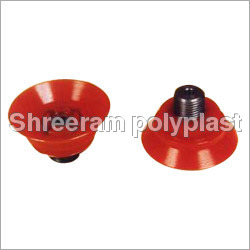
Polyurethane Vacuum Chucks
Price Range 5000.00 - 25000.00 INR / Piece
Minimum Order Quantity : 100 Pieces
Form : Other, Solid / Molded
Purity : Other, 99%
Grade : Industrial Grade
Color : Yellow
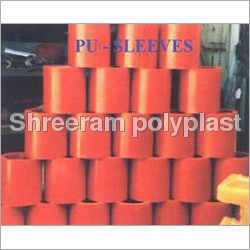
Polyurethane Sleeves
Price Range 5000.00 - 25000.00 INR / Piece
Minimum Order Quantity : 100 Pieces
Form : Other, Solid Sleeve
Purity : Other, 99%
Grade : Industrial Grade
Color : Other, Red (Also available in multiple colors as required)

Address
GST : 33AALFS5597D1ZW
- NP-43B, Developed Plot, Industrial Estate, Ekkattuthangal, Chennai - 600032, Tamil Nadu, India
- Phone :08045478163
- Send Inquiry
 Send Inquiry
 Send Inquiry
 Send SMS
 |
SHREERAM POLYPLAST
All Rights Reserved.(Terms of Use) Developed and Managed by Infocom Network Private Limited. |
